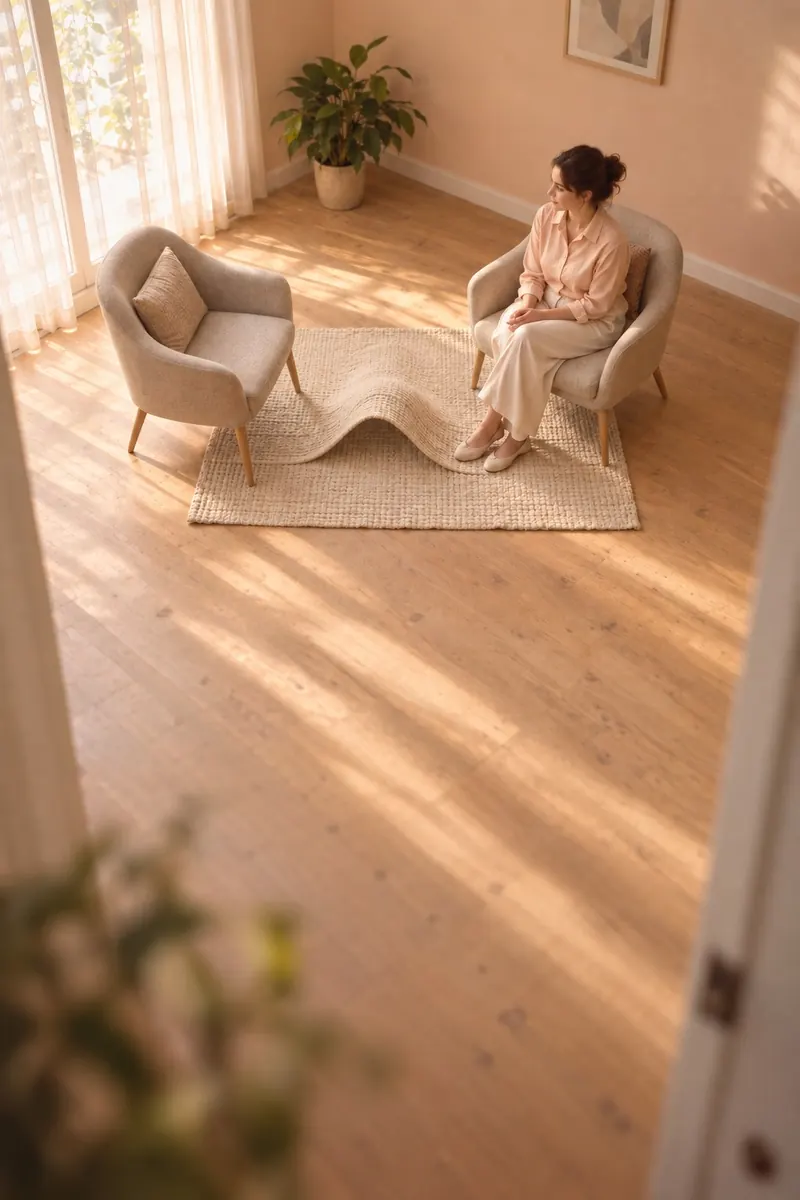
A first gynaecologist visit usually starts with a conversation, and if nothing is bothering you, an internal exam often isn't needed. Feeling nervous beforehand is normal. Tell the doctor straight out, so they can help you relax.
What happens in the room?
The doctor will ask about your periods, how you feel, any medicines and health problems in your family. Some questions sound personal, like the ones about sex. Everyone gets them, because they show the doctor what care you need. Your height, weight and blood pressure are usually checked too.
The doctor may look at your vulva and might even hand you a mirror so you can see too. An internal exam with a speculum is usually done when something is bothering you, such as pain, unusual bleeding, itching or discharge. It takes a few minutes.
Teenagers don't usually need a cervical screening test. If you've already had sex, tests for infections are often just a urine sample.
What can I ask for?
You can bring your mum, a friend or someone else you trust, and ask them to step out for part of the visit. You can choose a doctor you feel calmer with, including a woman, and ask for a nurse to be in the room during an exam. Some clinics sort this out when you book, so ask in advance.
Ask the doctor to explain each step before they touch you. If it hurts or you're just scared, say "stop". You can stop an exam at any moment.
How do I get ready?
There's no need to shave or trim anything, as there's no medical reason for it. You don't need to wash inside your vagina either. A normal shower is enough. A skirt or a long jumper is handy, because you can keep it on.
Bring your last period dates, a list of your medicines and your questions. Having your period on the day won't get in the way of talking, but if you're booked for cervical screening, call the clinic, as that test is usually moved. Don't put off a visit because of pain or unusual bleeding.
Common questions
Does it hurt?
Talking, definitely not. An exam can feel strange and a little uncomfortable, but it shouldn't hurt. Tell the doctor it's your first exam, and if it hurts, say so right away: they can use a smaller speculum or try another position.
Will the doctor tell my parents?
Much of what you share can stay between you, but the rules depend on your country and age. Ask about it at the very start, before the personal questions.
What age should I go for the first time?
US gynaecologists suggest a first visit at 13–15, just to get to know each other. With pain, itching or questions about contraception, you can go at any age.
What if the doctor is rude or rushes me?
Ask for a pause and for an explanation of what's happening. If that doesn't help, you can end the visit, find another doctor and give feedback or complain to the clinic afterwards.
In short
- Write your questions in your notes beforehand
- Agree on a "stop" word with the doctor
- When you book, ask if you can bring someone with you
Source: ACOG: Your First Gynecologic Visit
Educational content; it does not replace professional medical advice.